O Léo continua na Finlândia, mas o blog chegou ao fim. As postagens favoritas do autor estão aí para a memória dele e de quem tiver sem nada melhor pra fazer além de ler blog velho. :) Qualquer coisa, entra em contato por e-mail: lecczz@gmail.com.
Mostrando postagens com marcador English. Mostrar todas as postagens

quarta-feira, 10 de março de 2010

O Balde da Sauna | Sauna's Bucket

Quer saber se você já está adaptado à Finlândia? Repare seu comportamento diante de situações com o baldinho d'água para o löyly numa sauna pública.
Do you want to know whether or not you are already adapted to your Finnish life? Pay attention to your behaviour when you see yourself in different situations involving the small bucket of water for löyly in public saunas.
Você se sente no dever cívico 
de repor a água quando sai? 
Do you feel it is a civic duty 
to fill the bucket after you leave?

Fica todo orgulhoso quando dá o balde que acabou de encher e o(a) pelado(a) desconhecido(a) lhe diz kiitos?
Do you feel proud when you give the full bucket to someone else in the heat and the naked one whispers kiitos from inside?

Você fica resmungando tudo que é palavrão
se alguém gasta a água, sai e não repõe?
 Do you mumble all sorts of swear words if 
someone else uses all water, gets out and doesn't fill it?

É... você já está bem adaptado às coisas finlandesas.
Yes...you're already living a very Finnish life.

terça-feira, 9 de março de 2010

Se sentindo burro | Feeling Dumb

O post original (Se sentindo burro|Feeling Dumb) rendeu ótimos comentários sobre se descobrir ignorante sobre coisas geográficas e históricas depois de sair do Brasil. Daí, resolvi montar este "Frankeinspost com pedaços dos comentários de vocês. Valeu e desculpas por picotar o que vocês disseram. Pra ver os comentários completos, clica aqui. Pra ver quem são os comentaristas, clica no nome deles. E desculpa também por esse trombolho enorme de post. Te entendo se não tiver paciência de ler...

After I wrote the post about how I have been feeling dumb in what concerns the history of Brazil and Latin America, I got some interesting comments from some Brazilian readers/bloggers. For that reason, I decided to create this "Frankeinspost" with fragments of the comments they made. You can read the original ones (in portuguese) by accessing the original post here.
Luciana Håland disse: "[...] culpo a faculdade, até a gente entrar na faculdade a gente até sabe muito, pois na época do segundo grau as informacões são muitas e a gente procura saber mais e mais[...]"
"[...] I blame the university. Till we get to the university we know reasonably well, because at the high school time there is plenty of information and we want to learn more and more [...]" - Luciana Håland, Brazilian living in Norway
Eu concordo que quando entramos na faculdade nós direcionamos nosso interesse à um assunto específico. Mas não sei se culparia as faculdades por saber tão pouco de coisas gerais. Acho que o problema está no fato de no Brasil tratarmos conhecimento como coisa pra escola. Logo, parece que aprendemos mais coisas gerais antes do que na facul. A gente tem mais matéria no segundo grau/ensino médio! Então eis a questão: aprendemos pra viver, ou vivemos pra decorar?

I agree that when we enter university we direct our interests to an specific subject. But I wouldn't blame the university for my poor general knowledge. I believe the problem in Brazil is that we deal with knowledge as if it were a simple school thing. That's why it seems we have more access to information at high school. We have more subjects in high school! So there's the question: do we learn to live, or do we live to memorize and pass?

Tiago Yoshi (sem link) disse: "[...] A grande verdade é que aprendemos muito sobre nossa própria cultura e sobre nosso país quando estamos fora. A vida no Brasil, às vezes, é muito corrida e não paramos para pensar e analizar as coisas."
"[...] The big truth is that we learn a lot about our own culture and about our country when we are abroad. Life in Brazil, sometimes, is too fast and we don't stop to think and analyze things" - Tiago Yoshi, Brazilian who has lived for a while in Angola.

Apesar de eu achar que a gente aprende bem pouco inclusive sobre nossa própria cultura, eu concordo que a correria do dia-a-dia não ajuda pras pessoas buscarem conhecimento. Eu lembro que quando estudava em Niterói e trabalhava em Piabetá (quase duas horas de viagem todo dia em estrada ruim e poeirenta), eu desabava quando chegava em casa. Aqui na Finlândia é bem diferente. Além de ser mais tranquilo, esses conhecimentos gerais fazem mais parte do cotidiano do que no Rio. A gente lá conversa muito pouco sobre coisas além do nosso próprio mundinho (rua, amigos, bar...).

Even though I believe that we learn very little about our own culture as well, I agree that the fast pace of life in Brazil prevents people from searching for knowledge. I remember that when I studied in Niteroi and worked in Piabetá (about two hours traveling through bad and dusty roads), I just fell apart when arriving home. Here in Finland it is quite different. Besides being a slower life, these general knowledge things are more present in daily life than in Rio. There we mainly talk about our own world (street, friends, bars...). 
Camila Hareide disse: "Sim, tu tá esquizo com esta história... Porque é impossível saber tudo. Por mais que se estude Geografia e se saiba apontar no mapa mundi todos os países do planetinha, saber algo sobre todas as culturas é ter que acumular conhecimento pacas!"
"Yes, you are a bit esquizofrenic about this thing...because it is impossible to know everything. No matter how much you study geography and know how to point out on the world map all the countries of the planet, knowing about all cultures means having to accumulate too much knowledge!" - Camila Hareide, Brazilian living in Norway.

Mas aí é que está: num quero aprender pra saber de cor um monte de coisa. Me incomoda não saber coisas que eu acho importante. Se você me perguntar, como fez a Wife, por que eu acho saber sobre Cuba importante, eu não saberia responder. Talvez porque aqui eu faça parte do mesmo pacote geográfico que os cubanos no que eu acho que seja o imaginário das pessoas aqui. Não sei, só sei que me incomoda. Não o fato de eu não saber sobre tudo, mas o fato de não saber sobre coisas que por algum motivo eu acho que façam parte da minha vida direta ou indiretamente. :/

But that's the point: I don't want to learn to memorize a bunch of things. It bothers me that I don't know stuff that I consider important. If you, like the Wife, as me why I think it is important to know about Cuba I wouldnt know what to answer. Maybe because from (what I think to be) the perspective of Finnish people I am part of the same "geographic box" as the Cubans are. I don't know, but it does bother me. Not the fact of not knowing about everything, but the fact of not knowing stuff that for some reason I consider to be part of my life somehow. :/  
Lalá (sem link) disse: "E é triste reparar que os alunos, hoje em dia, mesmo com a internet e, teoricamente, uma facilidade maior de buscar novas fontes de conhecimento, estão ficando cada vez mais acomodados. Mesmo a maioria dos que tem condições de estudar em um colégio mais bacana, parecem se contentar em estudar só pra tirar nota pra passar de ano, não em aprender de verdade"
"And it is sad to notice that students nowadays even with internet and theoretically easier conditions to search for new sources of knowledge are getting each time lazier. Even the most part of those who have conditions to study in a better school seem to be satisfied in studying only to get grades to pass instead of really learning" - Lalá, Brazilian living in Brazil.

É...mas aí tem outro porém: o sistema educacional (onde estudei pelo menos) não motiva as pessoas a deixarem de ser acomodadas. Eu lembro que nos meus primeiros 12 anos estudando, se eu tive 4 professores que motivavam os alunos a estudar foi muito. A maioria era como se jogasse blocos de informação pro alto e dissessem: "quem pegar pegou, mas não se preocupe porque depois da prova vocês nunca mais vão ver isso na vida"

Yeah...but there is also something else there: the school system (where I studied at least) doesn't motivate people to stop being lazy. I remember that in my first 12 years studying, I had about 4 teachers who motivated the students to learn. Most part of them seemed they were throwing blocks of information and shouting: "grab if you can, if you can't don't worry: after the exams you will never see this again!"
Cris Neres disse: "Se percebo que sou totalmente (ou quase totalmente) ignorante a algum assunto/noticia/atualidade/conhecimento geral e etc, respiro fundo e vou pesquisar, hj em dia parei de me cobrar tanto, mas isso não significa que me contento com a 'burraldice'."
"If I realize I am totally (or almost totally) ignorant about some issue/piece of news/general knowledge, etc. I take a deep breath and go research about it. Nowadays I don't push too hard on myself, but that doesn't mean I am satisfied with the 'dumbness'" - Cris Neres, from Acre (Amazon Region)
Acho que eu vou ter que aprender a fazer isso também...


I guess I will have to learn to do the same....
Tiago disse: " [...] mas não pensem que é só no Brasil que isso acontece, aqui em Portugal também se fala pouco de geografia e história."
"[...] but don't you all think this is only something that happens in Brazil, here in Portugal people also speak very little about geography and history" -Tiago, from Portugal.

É, talvez isso seja um problema mais amplo e não só brasileiro. Mas resumindo, enquanto aprendemos essas coisas pra passar de ano e só, não só eu quanto muitos outros vão continuar se sentindo e agindo burraldos por aí. Infelizmente, porém, nem todos vão ter a chance que eu e outros de nós estamos tendo de pensar nossas burrices. Uma pena mesmo...

Yea, maybe this is not only a Brazilian problem. But, in a nutshell, if we remain learning stuff just to succeed in exams, many like me will remain feeling and acting dumb everywhere. Unfortunately, though, not all of us will have the chance some of us and I are having to reflect (and get rid of) our dumbness. It is certainly a pity...

terça-feira, 2 de março de 2010

Se sentindo Burro | Feeling Dumb

"[...] confesso que me senti burralda mesmo quando percebi que nunca aprendi direito historia e geografia... ha paises dos quais nao sei absolutamente nada... e percebo que na escola a gente aprendeu a por tudo no mesmo saco como se fossem todos iguais... igual o que fazem com a gente na america latina...[...]"
"[...] I admit that I felt very dumb when I realized that I never learned history or geography properly... there are countries of which I know absolutely nothing... and I notice that at school we learned to put everything in a single box as if all of them were the same...exactly like some do to us in Latin America... [...]"
Quem disse isso foi a Somnia esses dias aqui no blog quando postei sobre o fato de brasileiros saberem tão pouco sobre a África quanto os africanos sobre o Brasil (ver aqui o post, visite o blog da Somnia aqui). Neste exato momento, eu estou me sentindo assim também: burraldo. Mas no meu caso, não é um problema exclusivamente intercontinental. Minha deprê veio essa semana, quando comecei a ler sobre a América Latina enquanto preparo meu curso. Eu num sei quase nada sobre a região!

Somnia, a blogger and reader, said the quote above when commenting my claims that brazilians seem to know as little about Africa as africans know about Brazil (see here). Right now, I am feeling exactly the same: dumb. But for me, it is not a case of unawaress towards Africa. At this very moment, I am reading about Latin America as I prepare my first lecture course . And I feel really bad for realizing I know so little about it. 

Pra você ver, esses dias abri o Google Maps e Wikipedia e fiquei embasbacado com minha ignorância.  "República Dominicana e Haiti são a mesma ilha?!", "Nossa! Cuba é pertinho dos EUA mesmo...", "Ué! Já teve guerra entre Peru e Chile?", "Colômbia tem praia!!??? Mas não era dentro da Amazônia!?" e por aí vai.  Minha vontade foi de correr no quintal e esconder a cabeça na neve.  Pode fazer "Dã!" vai. Sério. Só não fui porque tá meio frio... mas pensando bem, sabe o que é pior? Saber tão pouco inclusive do próprio país.

Really. These days, for example. I decided to do some preliminary reading so I opened Wikipedia and also Google Maps. Soon, I was mesmerized by my own ignorance. "Dominican Republic and Haiti are the same island?!", "Wow! Cuba is REALLY close to the USA...", "Hey! Was there a war between Chile and Peru? Man!", "Colombia has a coast!? But wasn't it in the middle of the Amazon?!" and so on. I felt like running outside and sticking my head in a whole in the snow. Seriously. I just didn't do it because you know...it's cold. But you know, it is even worse when we know so little even about our own country.

A impressão que tenho é que nós brasileiros (ou só eu?) passamos a vida toda só olhando (e nos preocupando) com nosso próprio umbigo. Nem de outras regiões/estados do Brasil sabemos direito. A não ser pelos estereótipos: "O Nordeste é lindo mas miserento". "O Sul é limpo e por ser cheio de europeus tem um padrão de vida melhor mas é frio pra dedéu". "O Sudeste tem as maiores cidades mas é caótico e violento". "O Norte e o Centro-oeste só tem mato, roça e um oasis urbano que chamamos de Distrito Federal". E muitos que falam nunca colocaram os pés por lá. Já reparou?

The impression I have is that we Brazilians (or only me?) spend the whole life only concerned about our own closest environment. Not even the other regions of our country we know well. I mean, we know something: the stereotypes. "The northeast is very beautiful, but the poverty...", "the south is clean and - due to the amount of Europeans (we have this thing of looking up to them) - has a great standard of life. But the cold weather...", "The southeast has the metropoles, but the violence and chaos...", "The north and middle-west are huge rural areas with farms and an urban oasis we call Federal District (the capital)".  And many who say stuff like that have never actually been to the places. Ask any Brazilians if they even paid attention to that.

Tipo, isso é uma coisa pra se pensar bem antes de vir pra Finlândia ou os outros freezers aqui de cima. Nós Brasileiros aqui na Escandinávia (onde o povo viaja muito pelo mundo afora) somos como "agentes especiais de Turismo" do Brasil e da América Latina. Como a Somnia disse, muitos colocam tudo num saco só. Mas ao invés de se contentar com o que eles acham que é verdade, eles perguntam. E muito! As perguntas em si não incomodam. Afinal, eles querem aprender e isso é muito respeitável. Mas eu garanto uma coisa: é horrível não saber responder. Sabe por que?

This is definitely something to think about before coming to Finland or the other nordic freezers. Brazilians in Scandinavia (a place whose population tend to travel a lot around the world) are like "tourist agents" for Brazil and consequently Latin America. Even though there are many who make their own "geographic boxes", other many are always interested in knowing more. So they ask. And ask a lot! Which is not a bad thing. Afterall, they want to learn and this is certainly very respectable. But I can tell you one thing: it is horrible not to be able to answer. You know why?

Porque fica aquela coisa no ar: "mas você é de lá! Como você não sabe disso?".  Se não por parte deles, por parte da sua própria cabeça (principalmente se você for meio esquizofrênico como eu sou as vezes). Aí você fica mal e procura desculpa. As minhas em momentos de desespero eram: "o ensino no Brasil é uma merd@", ou "culpa da Globo!". Mas hoje em dia, a gente não precisa disso pra conhecer mais nada, né? Então, mais ou menos como diz aquele velho ditado, se sentir burraldo (como eu e a Somnia) é totalmente humano. Mas se contentar em ser burraldo isso sim é uma burrice sem tamanho. 

Because there is always that thing in the air while you blabber before admiting you know nothing: "but you are from there! How come you don't know about it?" If this pressure doesn't come from them (as most of the times), it comes through your own head (especially if you are a bit schizophrenic like I am sometimes). As an immediate reaction, you feel horrible and looks for excuses. Some of mine, in moments of total despair, have been: "The Brazilian school system sucks!", or "It's all television's fault!". But come on! We don't necessarily need either of them to know these things nowadays, right? So, maybe as we say in Brazil, feeling dumb is not as bad as doing nothing to become more aware about things.

segunda-feira, 22 de fevereiro de 2010

Eu Africano | The African Me

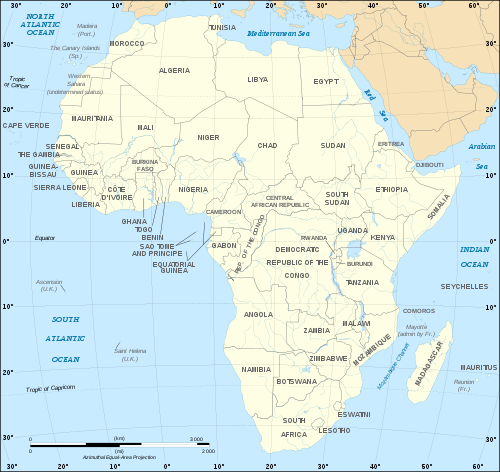
"Eu pensei que você era nigeriano", me disse o colega nigeriano no curso da universidade hoje cedo.  Não é a primeira vez que me confundem com alguém da costa atlântica africana. "Há muitos negros no Brasil?", ele continuou. Como eu sei pouco da África, tive a impressão que o desconhecimento entre brasileiros e africanos é mútuo. Por isso, essa semana vamos conversar mais sobre isso. Mas é impressionante (como escrevi antes e vou re-publicar aqui por esses dias) que tive que vir pra Finlândia pra ter contato direto com o pessoal da terra dos meus ancestrais.

Map: Wikipedia

"I though you were Nigerian", a coleague told me during a university lecture this morning. It's not the first time someone thinks I am from the atlantic coast of Africa. "Are there many blacks in Brazil?" he continued,. Since I know little about Africa, I had the impression that the lack of awareness between Africans and Brazilians is mutual. For that reason, during this week we will sit and talk more about that. But it is impressive (as I wrote some time ago and will re-publish it here some of these days) that I had to come to Finland to actually meet people from the land of my ancestors.

quinta-feira, 18 de fevereiro de 2010

Poderia ser pior | It could be worse

É inverno. Seu celular desperta, mas você aperta o snooze. Cinco minutos depois, você estica o braço e se pergunta porque o celular não tocou de novo. Ao apertar os olhos contra a luz do visor, você vira pro lado e fala: "C@r#¤%!"

It is winter. Your cell phone alarm rings, but you snooze it. Five minutes later, you reach out for the phone and wonders why it didn't ring again. You press your eyes against the display's light, turn around and say: "F#¤%!!"

Não. Você desligou o alarme, não apertou o snooze. Sim. Foram muito mais do que cinco minutos. Você pula. Se arruma. A reunião começa em uma hora. Você pensa em como os finlandeses odeiam atraso. "Tô f¤¤%¤!" Sem tempo pro café, você corre pro carro.

No. You turned the alarm off, you didn't snooze it. Yes. It was much more than five minutes. You jump off. Get dressed. The meeting is in an hour. You remember how finns hate delays. "I'm screw¤d". No time for coffee. You run to the car.

"M¤%&!" você grita ao ver a crosta de neve lhe cobrindo o parabrisa e o resto. 45 minutos. Você decide ir de ônibus. Abre o laptop e conecta na rede wi-fi do vizinho. No site você descobre que tem três minutos para chegar ao ponto da esquina. A esquina fica a 500 metros. "P&%# quil P@¤%!!!" Você fecha o laptop, bota debaixo do braço e corre.

"Sh¤t!" you shout when you see the crost of snow covering your windshield and the rest. 45 minutes. You decide to take a bus. You open the laptop and connects it through the neighbors wi-fi network. In the website you discover that you have three minutes to get to the bus stop on the corner. The corner is in 500 meters. "Da¤m!" You close the laptop, put it under your arm and run.

Você acha que vai perder o emprego e vai mais rápido. Mas se esquece do gelo no chão, escorrega e cai. "Pléc!" você ouve. "Ahhhhhhh!!!" Você grita. Você cata a bateria do laptop, se levanta e corre. 1 minuto. 200 metros. Tá escorregando. "Fod¤-se!", você diz. Corre!

You think you'll lose the job and go faster. But you forget the ice on the road, slips and falls. "Crac!" you hear. "Ahhhhhhh!" you scream. You collect the battery of the laptop, get up and run again. 1 minute. 200 hundred meters. It's slippery. "F¤ck it!" you say. Run!

O ônibus está no ponto. Você não. Você acelera. O motorista começa a acelerar. Você bate na traseira do ônibus e olha dentro do retrovisor. O motorista para. Você entra, encosta seu cartão no leitor e se senta. "Que jeito de começar o dia...ufa!" Você se alivia. Relaxa.

The bus is at the stop. You're not. You speed up. The driver starts the engines. You beat the rear of the bus and look deep inside the driver's mirror. The driver stops. You get in, pass the card on the reader and sit down. "What a way to start a day...whew..." You feel relieved and relax.

No seu ponto, você desce. Pela calçada você anda, se escondendo do vento frio perto da parede dos prédios. "Ploft!" Do alto do prédio, um monte de neve cai na sua cabeça. Sua roupa preta fica branca. A neve fina agarra no seu casaco, derrete gelada, entra pela gola, escorre por sua pele quente e lhe entra pela orelha. "C-A-R-A-¤%&!!!"

At your stop you leave. By the sidewalk you walk, hiding from the wind close to the building walls. "PLOFT!!" From the roof a lot of snow falls on your head. Your black clothes become white. The thin snow sticks to your coat. It freezingly melts through your shirt neck and melts all the way down your warm skin. You feel it in your ears too. "F-¤-C-K-I-N-G H-£-L-L!"

***moral da estória***
***moral of the story***


Pense duas vezes antes de reclamar por não poder usar uma calçada e ter que dar um voltão porque os caras estão raspando a neve dos tetos. O seu dia poderia ser muito pior sem eles.

Think twice before complaining of not being able to walk through a sidewalk (and thus having to take a long turn) because the guys are scratching the snow off the roofs. Your day could be much worse without them.

segunda-feira, 21 de dezembro de 2009

Christmas | Natal - Parte 2

Na Finlândia, Natal é uma coisa completamente diferente.
In Finland, Christmas is a whole different thing.

Quando a porta abriu, viu-se nos seus olhos o brilho de surpresa e alegria. Sorria. Sorria menina e ria moça em felicidade plena. Entramos e nos fizemos em casa enquanto seu olhar enfeitiçado só percebia aquela que enfim completaria seu Natal. Ontem, ao ver a avó da Wife quando lhe trouxemos a árvore senti mais uma vez que Natal pode sim ser mágico. E na Finlândia que eu conheço é. Magia que faz as meninas - avó e neta - sorrirem ao arrumar os enfeites sobre os galhos da joulukuusi.

When the door opened, her eyes shone in joy and surprise. She smiled. She smiled girly and giggled in full happiness. We entered and made ourselves home while her fascinated look only noticed what would finally complete her Christmas. Yesterday, when I saw the Wife's grandma when we brought her the tree I felt once more that Christmas can be magical. And it definitely is in the Finland I know. Magic that make the girls - grandma and granddaughter - smile while decorating the branches of the joulukuusi.


Janela na avó da Wife.
Window at the Wife's Grandma's apartment.


Eu já senti muita coisa diferente sobre o Natal. Mas crescido, um pouco estudado e não-religioso comecei a dizer que tinha repulsa a data pois era mais uma balela capitalista e de falso moralismo cristão. Um pouco mais maduro, vi que ser tão radical era besteira. Aí, Natal passou a ser coisa pra criança. Daí, no meu primeiro dezembro aqui as coisas pareciam bobeira. "Como fazer cartões, decorar árvores, acender velas na janela ... como essas coisas podem ser tão importantes?" eu pensava ao ver e ajudar a Wife na preparação das coisas. É engraçado. A verdade é uma questão de perspectiva. Olhando hoje, eu vejo que o bobão era eu. Sabe por que?

I have already felt many different things about Christmas. But after growing up, studying a bit and affirming my non-religiousness I started saying that I disliked Christmas because it was one more capitalist cr@p and another christian pseudo-morality. Soon, a bit more mature, I realized being that radical was stupid. Then, Christmas became kids' stuff. Thus, in my first December here things looked very foolish. "How come making cards, decorating trees, lightening candles on the windows ... how come these things can be so important?" I used to think while seeing and helping the Wife preparing things. It's funny. The truth is a matter of perspective. Looking from now, I see the stupid one was me. Know why?


Decorando. Decorating.

Cartões que a Wife fez este ano.
Wife's cards for this year.

Porque vivendo o Natal aqui, com a Wife e a família, eu parei de pensar que o espírito nada mais é do que supostas imposições da igreja. Muito menos ele está no total dos recibos das lojas, ou nas propagandas com suas musiquinhas bonitinhas pra comprar. Não estou querendo dizer que finlandeses não lotam os shoppings ou as igrejas por estes dias. Pelo contrário. Mas se você olhar bem vai ver que as lojas mais lotadas são as de decorações. Se prestar atenção, vai ver que ali no banco da igreja se canta feliz. O que faz do Natal algo completamente diferente é que aqui ele está além de qualquer materialidade, mesmo que em certos momentos passe por elas. O Natal na Finlândia é um tapa bem dado naqueles que insistem em dizer que finlandeses são frios.

Because living here, with the Wife and the family, I finally stop thinking that the Christmas spirit is in the supposed impositions of the church. Even less is it in the stores receipts or in the cute little advertisement jingles for us to listen and buy. I don't mean Finns don't fill up the shopping malls or the churches in these days. Just the other way around. But if you look carefully, you will see that among the crowdest stores are the ones for decorations. If you pay attention, you will see that people in the church sing happily. What makes Christmas a whole different thing here is that the date is beyond any material things, even if in certain moments it goes through them. Christmas in Finland is a slap in the face of those who insist that Finns are cold people.


Wife e sobrinhos no centro de Lahti. 2007 ou 08.
Wife, niece and nephew in the center of Lahti. 2007 or 08.

Muita gente na Igreja em Hollola.
Many people in the church in Hollola.

Sim, há silêncio. Aliás, falta de barulho em excesso (selo de qualidade que nós brasileiros temos pra classificar uma festa como boa). Mas você percebe o calor do Natal nos olhos, nos sorrisos, nas conversas animadas pelo Glögi. Na satisfação por ter encontrado a árvore perfeita (na loja ou na floresta) e decorá-la minuciosamente com quem se gosta. Nas visitas e cartões trocados. Nos abraços apertados dos parentes e amigos que envolvem os "Hyvää Joulua!" mesmo dias antes do 24. Na ansiedade incontrolada das crianças esperando o presente que o pukki vai trazer (é maneiro saber que não tu não será julgado pelo que tenha comprado). O Natal aqui tem aquilo que eu mais desejava que nossos natais em Magé tivessem: alegria e proximidade entre as pessoas que amamos. Os motivos e os jeitos variam, mas na essência esse é o espírito natalino. Tá vendo por que eu era bobo?

Yes, there is silence. That is, lack of excessive noise (our brazilian stamp of quality for good parties). But you notice the warmth of the Christmas in the eyes and smiles during the talks while sipping Glögi. In the satisfaction for having found the perfect tree (be it in the store or in the woods) and decorated it minuciously with the beloved ones. In the exchanged visits and cards. In the tight hugs of friends and family involving the "Hyvää Joulua!" greetings even days before the 24. In the uncontrolled anxiety of the children waiting for the gift pukki will bring them (it is really cool to know you won't be judged for what you have bought). Christmas here have exactly what I most wished for our Christmases in Magé: joy and togetherness with those we love. The reasons vary, but in essence this is the Christmas spirit. See why I was a fool?


Procurando a árvore na floresta do conhecido. :) 2008.
Looking for a nice tree in the acquaintance's forest. :) 2008.

Instalação da árvore na Praça do Mercado em Lahti.
Putting the tree up on the Market Square in Lahti. 2008.

Demorei para entender que este espírito não é dado, é construído. E a minha Finlândia é felizmente cheia de pessoas que fazem de tudo pra que o Natal seja um tempo de felicidade plena. Mas tenho certeza que essa Finlândia não é a única assim. Afinal, só este país - onde se aprecia tanto iluminar com velas e felicidade estes tempos escuros - poderia dedicar todo um mês ao processo natalino. Ou existe alguma outra língua no mundo onde Dezembro é oficialmente o "Mês do Natal" (joulukuu, em Finlandês)?

It took me a while to realize that this spirit is not given, but built. And my Finland is fortunatelly full of people who make the best they can to make of Christmas a time of plain happiness. But I am sure this is not the only Finland like that. After all, only would this country - where it is so appreciated to lighten the darkness with candles and happiness - dedicate a whole month for the Christmas process. Or would there be any other place where December is officially called as "Christmas Month" (Joulukuu, in Finnish)?


Que vocês tenham a plenitude do espírito natalino onde estejam.
I wish y'all to have the greatness of the Christmas spirit where you are.

sexta-feira, 18 de dezembro de 2009

Natal | Christmas

"Prefiro o Ano Novo", respondia quando me perguntavam sobre as preparações de Natal há alguns anos atrás. Quando criança adorava porque ganhava presente. Eu também gostava da ceia com risolis e coxinhas na casa de vó. Era maneiro, o pessoal se abraçava, sorria. Nada muito religioso, apenas familiar. Só que as coisas mudaram quando cresci.

"I prefer the New Year's Eve", I used to answer when asked about the preparations for Christmas some years ago. When I was a child, I used to like it for the gifts I got. I also liked the feasts at grandma's. It was cool, people hugged and laughed. Nothing very religious, but familiar. But things changed as I grew up.

Na adolescência farrista, os porres de cidra em Magé e depois Copa ganharam minha paixão. Em casa, a religiosidade começou a crescer. Em mim, ela se perdia. Ironicamente, eu - cada vez mais do mundo - tentava usar o Natal pra reunir e festejar. Mas dentro de casa passei a ouvir "vamos à igreja e voltamos pouco antes da meia-noite" com mais frequência. E aos poucos o Natal familiar foi ficando monótono, escuro...

In the party times of adolescence, the drinking of cider in the New Years' Even in Magé and then in Copacabana gained my passion. At home, religiousness started to grow. Within me, it faded. Ironically, I - each time more mundane - tried to use Christmas as a reason for gathering and feasting. But at home I started hearing "we are going to the church. We'll be back a bit before midnight" more frequently. Slowly the family Christmas became boring, dark...

Foi quando eu, minha irmã e nossos amigos resolvemos fazer nossa própria festa de Natal. O "Mesão", como chamávamos, era a tradição do banquete com a animação do Ano Novo. Festejávamos nossa amizade com alegria. Eu adorava. Quando já estava com a Wife, eu imaginei que ela também adoraria. Mas naquele dia de Natal ela estava muito triste. E eu não entendia. Entenderia se fosse antes, mas não na nossa redescoberta.

That's when me, my sister and our friends decided to make our own Christmas. The "Mesão" (Big Table) as we used to call it, was the tradition of the feast with the joy of the New Year's Eve. We celebrated our friendship with happiness. I loved it. When I was already with the Wife, I imagined she would feel excited about it too. But in that Christmas she was very sad. And I didn't understand it. I would have understood if it were before, but not in our new Christmas way.

Demorou um tempo pra que eu entendesse. Precisei vir pra cá.
Na Finlândia, Natal é uma coisa completamente diferente.

It took me a while for me to understand her. I had to come here.
In Finland, Christmas is a whole different thing.


Continua ...
Continues ...

sexta-feira, 11 de dezembro de 2009

Garrafa$ e lata$ no bol$o | Bottle$ and can$ in the pocket

Quando cheguei aqui na Finlândia, fiquei impressionado com o sistema de coletas de latas e garrafas e me pergunto: "Por que não temos isso no Brasil?" O sistema (existente na Europa há uns 30 anos) é simples: cada vasilha tem um valor. Ao comprar uma bebida, você paga o preço do líquido e da vasilha. Nos mercados, você tem máquinas de coleta (Reverse vending machines) onde se colocam as garragas/latas vazias. Ao final, você aperta o botão verde e tira um recibo. O papel é seu dinheiro: você pode comprar ou trocar pelo valor no caixa. Ao completar o ciclo, você só vai ter pago pelo que bebeu. E o que acontece com as garrafas/latas devolvidas?

When I arrived here in Finland, I was impressed by the system for returning used cans and bottles. I keep asking myself: "Why don't we have this in Brazil?" The system (existing in Europe for about 30 years) is simple: each container has a value. When you buy your drink, you pay for both the liquid and the bottle/can. In the shops, you find Reverse Vending Machines where you can put the empty containers. At the end, you push the green button and take a receipt which is money: either you can buy more or exchange for the euros it is worth. When you complete the cycle, you will have only paid for what you drank. And what happens to the bottles/cans that were returned?


São recicladas ou são re-usadas. A Coca-cola, por exemplo, as limpa e coloca de volta no mercado. É normal ir comprar sua Coca light e ver a garrafa arranhada e parecendo velha. Essa nunca vai parar no rio. Afinal, ela vale 40 centavos... :) No Brasil, fazemos algo parecido com as garrafas de vidro. Só pode comprar se trouxer o casco vazio junto. Ou você deixa um depósito, como no Bar da Helena lá perto de casa, em Magé. Sem casco, tem que pagar 50 centavos que você recebe de volta se devolver a garrafa. Se funciona assim, por que não ampliar isso para as garrafas de plástico e latas também? Essa é uma possibilidade de parceria entre governo, comércio e população onde todo mundo pode ganhar, inclusive seu bolso e o meio-ambiente.

They are recycled or re-used. Coca-cola, for instance, cleans them and put them back to the market. It is normal to buy light Coke and see the scratches on the old-looking bottle. That one will never end up in a river. After all, it is worth 40 cents... :) In Brazil, we do it similarly with glass bottles. You can only buy more if you bring the empty one along. Or you leave a deposit, as we do next to my house in Magé. Without the empty bottle you have to pay 50 cents which you will get back if you return the bottle. If it works like that, why not creating a system including plastic bottles and cans? This is a possibility of partnership between government, commerce and population where everyone can win, including your pocket and the environment.

Para saber mais sobre o sistema aqui na Finlândia, clique na imagem acima e visite o site da Suomen Palautuspakkaus Oy (Palpa), administradora do sistema (em inglês).
To know more about the system in Finland, click on the image above and visit the website of Suomen Palautuspakkaus Oy (Palpa), administrator of the system.
Você sabe de alguma coisa desse tipo no Brasil?
Conta pra gente espalhar.

Se quiser, divulgue a idéia.
Sinta-se livre pra reproduzir esta postagem em seu blog.

domingo, 6 de dezembro de 2009

Independência Dependente | Dependent Independency

Dialogando com a Irene Nousiainen e seu post sobre a Independência da Finlândia.

A Irene, em seu blog, também escreveu sobre a Independência finlandesa, mas de um ponto de vista mais pessoal, mais...brasileiro. Ela diz ficar "(...) admirada de como um povo consegue em tão pouco tempo construir um país tão organizado e focado na melhoria da qualidade de vida de seu povo." A primeira hipótese? "(...) um país se faz a partir de seu povo e não de seus governantes". Sugestivo, né?

Irene, a friend who lives in Helsinki, also wrote in her blog about the Finnish independence, but from a more personal and Brazilian perspective. She says she "(...) admires how a people manages to build such an organized country focuses so much on the improvement of the quality of life for its people". The first hypothesis: "(...) a country is made by its people and not by its governors". For us, Brazilians, this is very suggestive.

Sempre falamos que é impossível comparar os países nórdicos ao Brasil. Aqui, pra gente, tudo é perfeito. Lá, é a eterna merda: por causa do Lula, do FHC, ou seja lá de quem esteja no poder. Será? Não é bem assim, como disse a Irene. Não é mesmo. O problema é que como indivíduos reclamamos muito e fazemos pouco.

We, Brazilians, always claim it is impossible to make comparisons between our country and the nordic ones. Here, for us, everything is perfect. Back home, it is always the same shit: because of Lula, because of FHC (the previous president), or whoever is in power. Is it so? Not really, as Irene said. Not really indeed. The problem is that as individuals we complain too much and do too little.

A Finlândia não tem alto nível de educação e baixos índices de violência urbana ou corrupção por causa de seus governantes. O povo participou e participa ativamente da construção desta sociedade que não é perfeita, mas funciona muito bem apesar dos pesares que existem. Neste caso, podemos comparar sim os esforços da sociedade brasileira com o das sociedades nórdicas pra se conseguir transformar.

Finland does not have a high level of education and low levels of urban violence or corruption exclusively because of its governors. The people has actively participated in the construction of this society, which is not perfect but works well despite the existing problems. In this case, we can certainly compare the efforts of the Brazilian society with the nordic societies'.

Assim fica claro que nós definitivamente não fazemos muito como povo, apesar de muitos micro-esforços serem feitos e na maioria das vezes ignorados pela maioria.

Thus it is obvious that we definitely don't do much as people, despite the number of micro efforts being made and mostly ignored by the majority.

Nossa falta de atitude demonstra que apesar de sermos individuos independentes para viver e consumir (será?), somos cidadãos dependentes de alguém do qual falaremos mal e culparemos por todos os problemas das nossas vidas. E o pior é que isso é uma dependência voluntária: somos assim porque queremos e gostamos. É como achamos que é certo. Enquanto continuarmos pensando que o que é público não tem dono (e logo não somos responsáveis por isso) e que política é só coisa de político, nunca teremos a chance de pensar, mesmo que remotamente, que o velho Brasil possa seguir os caminhos da jovem Finlândia.

Our lack of attitude shows that in spite of being independent individuals for living and consuming (really?), we are dependent citizens of someone who we will badmouth and blame for all the problems in our lives. And the worse is that it is a voluntary dependency: we are like that because we want and like it. This is how we think it is right. If we remain thinking that whatever is public has no owner (and thus we are not responsible for it) and that politics is a politicians' thing, we will never have a chance of thinking - even remotely - that the old Brazil will be able to follow the young Finland's footsteps.

Uma pena.

It's a pity.

Dia da Independência | Independence day

É o Dia da Independência na Finlândia. Há 92 anos a senhorita finlandesa (ainda com os dois braços) se separava definitivamente do gigante russo. Por causa disso, hoje em dia o 06 de Dezembro é uma data de tradições e hábitos provavelmente comuns à todos os finlandeses, em maior ou menor grau de importância dada. É também um dia para estrangeiros colocarem suas habilidades linguísticas em teste.
It is Independence Day in Finland. 92 years ago, the Finnish Maiden (still with two arms) finally broke apart from the Russian giant. Because of that, nowadays the 06 of December is a date of traditions and habits probably common to all Finns in a higher or lower degree of importance given. It is also a date of foreigners to check out their linguist skills.

A senhorita finlandesa antes de ter o braço esquerdo amputado em 1940.
The Finnish Maiden before having the left arm cut off in 1940.


O dia é marcado por celebrações por todo país. Algumas variam de acordo com as cidades. Aqui em Lahti, por exemplo, os escoteiros colocam velas nos túmulos dos soldados. Em Helsinki, estudantes andam pelo caminho inverso do cortejo de Mannerheim com tochas e bandeiras até a Praça do Senado, onde acontecem discursos, corais e o hino nacional é cantado por todos no final. Na Catedral, acontece um serviço ecumênico. Há paradas militares também. Mas se o frio te desanimar a sair de casa, não se preocupe. Você pode entrar no clima tradicional mesmo no conforto do seu lar. Você só precisa de velas e uma televisão.
The day is marked by celebrations all over the country. Some vary according to the cities. Here in Lahti, for instance, the scouts put candles on the soldiers graves. In Helsinki, students walk in procession in an inverted way to the funeral cortege of Mannerheim with torches and flags as far as the Senate Square. In the Cathedral, there is an ecumenical service. There are military parades too. But if the cold weather makes you feel lazy to go out, don't worry. You can join the Independence vibe in the comfort of your home. You just need candles and a television set.

Durante o dia, o canal estatal Yle e alguns comerciais apresentam alguns eventos tradicionais. Mas é à noitinha que as tradições são colocadas em prática. Às seis, as pessoas colocam duas velas na janela. Na televisão, muitos assistem (de novo!) ao filme Tuntematon Sotilas (O Soldado Desconhecido). Porém, é mais tarde que as celebrações chegam ao ápice: A Recepção de Independência é transmitida ao vivo do Palácio Presidencial. É o momento de comentar as roupas dos convidados, as centenas de apertos de mão da presidente e a dança no salão (que sempre parece pequeno pra tanta gente). Se você não está acostumado, não se sinta mal em dizer que uma pessoa ou outra está ridícula. É tradição. :)
During the day, the state channel Yle and some commercial ones present some traditional events. But it is in the evening that the traditions are put to practice. At six, some people put two candles on the window. On the telly, many watch (again!) to the movie Tuntematon Sotilas (The Unknown Soldier). However, it is later that the celebrations reach their climax: The Independence Reception is broadcasted live from the Presidential Palace. It is the moment to comment on the clothes of the guests, on the hundreds of hand-shakes by the president and the dance (in a place that always look too small for the amount of guests). If you are not used to saying someone else looks ridiculous, don't feel guilty: it is tradition.

Clique no poster pra ver o filme no Youtube.
Click on the poster to watch the movie on Youtube.

Mas como eu disse no começo, estrangeiros tem um dia de prova linguística no Dia da Independência. Se você conseguir desejar "Feliz Dia da Independência" sem gaguejar ou parar para pensar no que está dizendo, parabéns! Está no caminho certo em seus estudos de finlandês. Eu ainda me enrolo. Deixa eu tentar de novo: Hyvää Its...itsne...por¤%! Hyvää I-T-S-E-N-Ä-I-S-Y-Y-S-P-Ä-I-V-Ä-Ä!
But like I said in the beginning, foreigners have a day of linguistic test on the Independence Day. If you manage to wish "Happy Independence Day" without stuttering or stopping to think on what you are saying, congratulations! You are on the right path on your finnish studies. I still have problems. Let me try again: Hyvää Its...itsne...damn!! Hyvää I-T-S-E-N-Ä-I-S-Y-Y-S-P-Ä-I-V-Ä-Ä!

Se você não sabe o motivo da senhorita finlandesa ter perdido o braço, ou quem foi Mannerheim, ou o porquê de duas velas na janela, é só dar uma pesquisada por estes temas na Wikipedia. Considere como parte do seu processo de independência. :)
If you don't know why the Finnish Maiden lost the arm, or who Mannerheim was, or why two candles on the windon, take a look at wikipedia. Consider this to be your own independence process. :)

terça-feira, 1 de dezembro de 2009

Mudando Mundos | Changing Worlds

Post-diálogo com o Papo Sério da Camila.

Pequenas coisas feitas na Finlândia que fazem alguma diferença.
Small things that people do here in Finland that make some difference.

Roupas boas e sem uso são doadas.
Organizações as revendem.
Pessoas compram.
O dinheiro é doado.
Good old clothes are donated.
Organizations re-sell them.
People buy them.
The money is donated.

Você pode doar à projetos existentes, comprar ou organizar a venda.
Seja lá qual for sua escolha, já estará ajudando um pouquinho.
You can donate to existing projects, buy or organize the sales.
Whatever your choice is, you will be helping a bit.

Já é um começo, né?
It is a start, isn't it?

Mais idéias não tão originais qualquer dia desses!
More not-so-original ideas some of these days!

Impressões do Fim de Semana | Weekend Impressions

Como minhas impressões mudam desde que vim pra cá.
How my impressions have changed since moving here.

Leia:|Read:
Mudanças|Changes
Mais mudanças | More Changes
O (meu) Brazil | (My) Brasil by Wife


Numa conversa entre amigos as pessoas também ouvem.
In a conversation among friends people also listen.

Querer mudar algum mundo não é utopia.
É projeto de médio à longo prazo.
Wanting to change some world is not utopia.
It is a medium and long range project.

Discussão sobre política pode ser agradável e levar à algum lugar.
Discussing politics can be pleasant and have positive outcomes.

Crimes e violência nos jornais podem ser genuínos casos isolados.
Crime and violence in the news can be genuine isolated cases.

O silêncio profundo numa conversa não é a incômoda falta de assunto.
É a não-obrigatoriedade de se dizer coisas só por dizer e não dizer nada.
The deep silence in a conversation is not the unpleasant lack of subject.
It is the non-obligation of saying things for saying and end up saying nothing.


Talvez continue...
Maybe continues...

sábado, 28 de novembro de 2009

Quando Deus é palavrão | When God is a swearword

Sabe quando alguém faz uma besteira com alguma coisa sua e você automaticamente diz: "Po%&a!", ou "Car#lho!" ou "P%&a quil P@riu!" ? Pois é. Em Finlandês, você diria, entre outras possibilidades, Jumalauta! Pois bem, ainda estou tentando entender como um termo que significa "Deus ajude" virou motivo de se lavar as bocas infantis com sabão.

Do you know when somebody screws up with something of yours and you automatically say: "Damn it!" or "Fucking hell!"? Well then. In Finnish, you'd say, among other possibilities, Jumalauta! I am still trying to figure out why on earth a term that means "God, help" became a reason to wash a child's mouth up, as we say in Portuguese when they curse.

sexta-feira, 27 de novembro de 2009

(O meu) Brazil | (My) Brasil - by Wife

The Wife wrote about some aspects between Brazil and Finland through her own lived experiences in the lands of cariocas.
A Wife escreveu sobre alguns aspectos entre Brasil e Finlândia por sua experiência vivida nas terras cariocas.

(O meu) Brazil - Cute & Curious things
(My) Brasil - Coisas curiosas e bonitinhas

...no queueing numbers are needed to know whose turn is next.
...não se precisa de números na fila pra saber de quem é a vez.

...fresh food costs less than those in vacuum package.
...comida fresca custa menos do que aquelas a vácuo.

...mannequins in the shop windows have butts.
Consequently, the jeans sold in those stores also have space for a round-ish female butt.
...manequins nas vitrines têm bunda.
Logo, o jeans nas lojas também tem espaço pra uma bunda arredondada feminina.

...those who get seats in crowded buses hold the bags of those who stand.
...quem consegue sentar no ônibus segura a bolsa daqueles que ficam em pé.

...having your guests contribute for the party doesn't mean you're stingy.
It means there will be more parties.
…pedir os convidados pra fazer vaquinha não significa pão-durice.
Quer dizer que vai ter mais festas.

...men don't feel castrated if asked to carry a woman's handbag.
...homens não se sentem castrados se uma mulher os pedem pra carregar a bolsa.

…there's nothing your manicurist won't understand.
...não há nada que sua manicure não entenda.

Maybe continues...
Talvez continue...

quinta-feira, 26 de novembro de 2009

Mais mudanças | More changes

Mais coisas que mudaram em mim na Finlândia.
More things that changed in me in Finland.

Comprar em brechó não é pobreza. É escolha barata.
Shopping at used-clothes store is not poverty, but an inexpensive choice.

Visitar alguém é estranho se não marcado.
Stopping by someone is strange if not agreed.

Um cara que deixa de trabalhar para cuidar do bebê não é submisso. É pai.
A man who leaves work to take care of a baby is not submissive.
He is a father.

Só bêbados sentam na esquina para tomar uma cerveja com os amigos.
Only drunkards sit on the corner to have a beer with the friends.

Bife é caro. Salmão é mais em conta.
Beef is expensive. Salmon is more affordable.

Programas de TV estrangeiros não são dublados.
Têm legendas tanto em canais pagos quanto abertos.
Foreign TV programs are not dubbed.
They have subtitles both in paid and open channels.

Não é nojento separar lixos.
It is not disgusting to sort rubbish.

Não é maluquice estocar latas e garrafas quando se recebe por elas.
It is not weird to stock cans and bottles when you get paid for them.


talvez continue...
maybe continues...

quarta-feira, 25 de novembro de 2009

Mudanças | Changes

Algumas coisas que mudaram em mim na Finlândia.
Some things that changed in me in Finland.


Lixo na rua me dá raiva, não tristeza.
Garbage on the street makes me angry, not sad.

Compra é na mochila velha,
não nas bolsas de plástico do mercado.
Groceries are in the old backpack,
not in the market's plastic bags.

Ser só estudante não é estar desempregado.
Mesmo que não haja salário.
Being only a student is not being unemployed.
Even without a salary.

Velas vermelhas são de Natal, não de magia negra.
Red candles are for Christmas, not for black magic.

Gritar "Viado", "Favelado" e "Piranha" é preconceito.
Mesmo em jogo de futebol.
Shouting "Queer", "favelado" and "bitch" is prejudice.
Even in a football pitch.

Um ou dois copos de cerveja basta.
One or two glasses of beer is enough.

Saber inglês é básico, não luxo.
Konwing English is basic, not a luxury.

Prefiro trens à ônibus.
I prefer trains to buses.

Vou mais à biblioteca do que à locadora.
I go more often to the library than to the video store.

Beber e não dirigir é hábito, não sacrifício.
Drinking and not driving is a habit, not a sacrifice.

Recusar carona de amigo bêbado é respeito, não palhaçada.
Refusing a ride from a drunk friend is respect, not stupidity.

talvez continue...
maybe continues...

sexta-feira, 13 de novembro de 2009

Mais fotos de Helsinki | More Helsinki Photos

Subindo para a catedral. Going up the cathedral stairs.

Até com chuva. Even in the rain.

Uma rua perto da Kauppatori. A street close to Kauppatori.

Cara do outono. The Autumn's face.

O Hino Nacional em Sueco na Esplanadi.
The National Anthem in Swedish in Esplanadi.

Esplanadi.

Comprando a passagem. Buying the ticket.

Esperando o trem. Waiting for the train.

Indo e vindo. Coming and going.

quinta-feira, 5 de novembro de 2009

Ainda Mais Helsinki | Even More Helsinki

Mais um dia em Helsinki, mais um dia de experiências incríveis. Enquanto não posto sobre elas, ficam aqui mais imagens do dia de hoje.

One more day in Helsinki, one more day of incredible experiences. Before posting about them, see some more pictures of today.

Dentro da Estação/Inside the Station

Protegidos do Frio / Protected from the cold

Centro / Center

Aleksis Kivi

Estação / Train Station

Que beleza! How nice!


Catedral / Cathedral


Tram

Da universidade / From the university


Räntä (caindo do céu) e Loska (enlameando o chão)

Praça / Square

Loska


Plof, plof fazem os sapatos / Plof plof mumble the shoes